Installation & Maintenance Tips to Extend Submersible Cable Life
Most submersible cable failures start with handling and installation. Follow these practical tips — from unreeling and jointing to insulation checks — to keep your pump cable working for years.
A well-made submersible cable can serve for years — but only if it is installed and cared for properly. Many cable failures have nothing to do with how the cable was manufactured and everything to do with how it was handled on site. The good news is that a few careful habits prevent most problems.
Before installation
1. Confirm the cable is right for the job
Check that the cable type and size match the pump's current, the supply voltage and the total length from panel to motor. If you have not done this yet, read how to select the right submersible cable size.
2. Inspect the cable on delivery
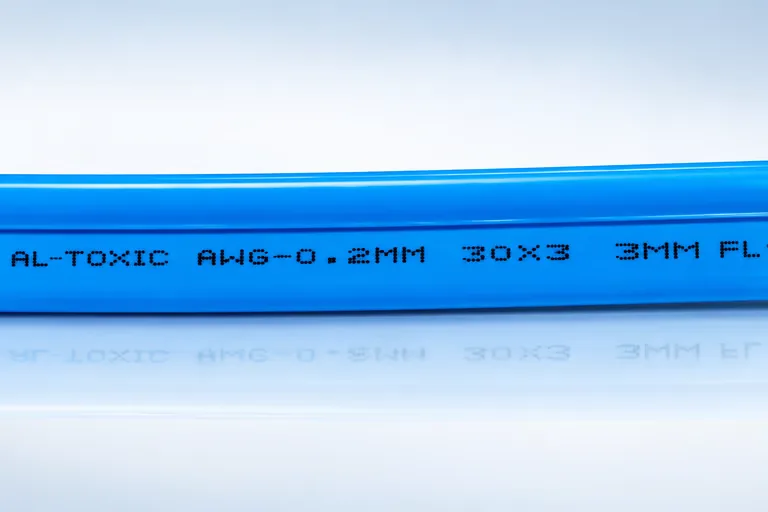
Look along the sheath for cuts, crushing or scuffs from transport. Check the print marking to confirm you received the specified cable. Store the drum or coil in the shade and off wet ground until use.
3. Measure before you lower
Measure the insulation resistance of the cable before installation. Having a baseline value makes future checks far more meaningful.
During installation
4. Unreel carefully
Roll the drum or rotate the coil to pay out the cable — do not pull loops off the side, which introduces twists and kinks. Avoid dragging the cable over rough ground, stones or sharp edges.
5. Avoid tight bends
Every cable has a minimum bending radius. Bending tighter than this can damage insulation and conductors, especially in cold weather. Guide the cable gently over the well head, ideally using a roller or pulley.
6. Make proper waterproof joints
The joint between the supply cable and the motor lead is one of the most critical points of the whole installation.
- Use a splice kit designed for submersible use.
- Stagger individual core joints so they do not all sit at the same point.
- Clean and dry all surfaces before sealing.
- Allow sealing compounds or resins to cure fully.
- Test the joint's insulation before lowering it into water.
7. Strap the cable to the riser pipe
Secure the cable to the riser pipe at regular intervals using suitable straps or tape. This supports the cable's weight and prevents it from rubbing against the casing. Do not over-tighten straps; they should hold the cable without cutting into the sheath. Leave slight slack at each joint in the riser pipe to allow for movement.
8. Protect the cable at the well head
The point where the cable exits the well is exposed to sharp casing edges, sunlight and people. Use a well cap or cable guard, and run the surface section in conduit where practical.
After installation
9. Commission carefully
Before starting the pump, recheck insulation resistance and make sure motor protection is correctly set for the pump's rated current. Check voltage at the panel while the pump runs to confirm the supply is healthy.
10. Protect the surface run
Sunlight, heat and physical damage affect the section of cable above ground. Keep it covered or in conduit, away from paths where vehicles or animals could damage it.
Ongoing maintenance
11. Check insulation resistance periodically
Insulation resistance readings taken over time reveal gradual deterioration. A steady downward trend is an early warning sign, giving you time to plan maintenance before a failure.
12. Watch for warning signs
- Frequent tripping of protection devices
- Pump running hotter or noisier than usual
- Flickering or low voltage at the panel when the pump starts
- Visible damage to the cable at the well head
Investigate any of these promptly.
13. Inspect when the pump is pulled
Whenever the pump is removed for servicing, inspect the entire length of cable, straps and joints. Replace worn straps and repair or replace damaged sections using proper methods.
14. Keep records
Note installation dates, insulation resistance readings and any repairs. Good records help your electrician make better decisions.
Storing spare cable correctly
Spare lengths of submersible cable are often left in a corner of the pump room for months. A few simple precautions keep them ready for use:
- Store drums and coils indoors or under cover, away from direct sunlight.
- Keep them off wet floors and away from oils, fuels and chemicals.
- Seal cut ends with tape or end caps so moisture cannot creep along the conductor.
- Avoid stacking heavy objects on coils, which can flatten or deform the cable.
- Label each length with its type, size and length so the right cable is used later.
Common installation mistakes
Most early failures trace back to a handful of avoidable errors: pulling the cable over the sharp edge of the well casing, over-tightening straps, rushing a joint before the sealant has cured, and leaving the surface run exposed to sun and foot traffic. Taking an extra half hour during installation to avoid these mistakes is almost always cheaper than pulling the pump later.
Why cable quality still matters
Good installation protects good cable. Cable with high-purity copper conductors and spark-tested, uniform insulation starts life with a strong safety margin — see why copper conductors matter and what is spark testing. Combine that with careful handling and your pump system will reward you with years of dependable service.
Quick checklist
- Right size and type confirmed
- Cable inspected and stored in shade
- Baseline insulation resistance recorded
- Unreeled without kinks or sharp bends
- Waterproof joint made and tested
- Strapped to riser pipe at intervals
- Well head and surface run protected
- Periodic insulation checks scheduled
Frequently asked questions
How often should I check my submersible cable?
Have insulation resistance measured before commissioning and then at regular intervals, and whenever the pump is pulled for service or starts tripping. Your electrician can recommend a schedule.
What is the most common cause of cable failure?
Physical damage and poor joints are among the most common causes — for example, cuts from sharp well casing edges, kinks during unreeling, and joints that let water in.
Can a damaged submersible cable be repaired?
Small damage can sometimes be repaired with a proper waterproof splice kit, but every joint is a potential weak point. Extensive damage is best solved by replacing the cable.
Cable ko dhoop se kaise bachayein?
Well head se panel tak ki cable ko conduit ya cover mein rakhein aur seedhi dhoop se bachayein. Tez kinaron se bhi hifazat karein.
- #installation
- #maintenance
- #cable joint
- #insulation resistance
- #tube well
Related articles
Buying Guides
Complete Guide to Submersible Pump Cables
Everything pump owners, installers and dealers need to know about submersible pump cables — how they are built, flat vs round designs, sizing basics, quality checks and how to make them last.
5 min read
Cable Technology
What Is Spark Testing and Why It Matters for Cable Safety
A single pinhole in cable insulation can cause a fault once it is submerged. Spark testing finds those hidden defects during production. Here is how it works and why it matters for submersible pump cables.
5 min read
Buying Guides
How to Select the Right Submersible Cable Size for Your Pump
Undersized cable is one of the most common causes of burnt pump motors. Learn how motor current, voltage and cable length decide the right submersible cable size — and why you should confirm it with an electrician.
5 min read